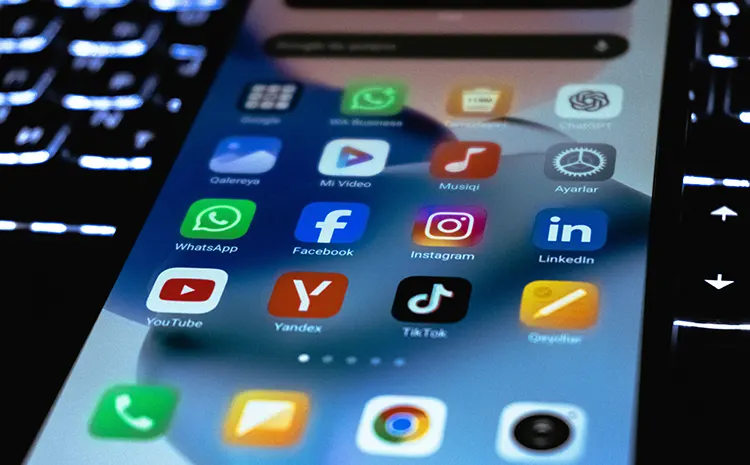
What Are Social Networks?
Social networks are online platforms that allow people, organisations, and communities to create profiles, share information, and interact with others based on common interests, activities, or relationships.
Individuals do not need to know each other before connecting through a social network platform; this is one of the greatest benefits of virtual communities.
Characteristics of Social Networks
The main characteristics of social networks are the following:
- Global Virtual Communities: They connect users through virtual communities that can include people from different locations around the world.
- Accessible From Multiple Devices: They can be accessed from various devices, such as computers, tablets, or mobile devices.
- Usually Free to Use: Many social networks offer free access, while some provide additional paid features or subscriptions.
- Provide Real-Time Information: They offer real-time information. They provide immediate access to news and user updates, all in real time.
- Allow Users to Create Profiles: They allow you to have a user profile. They allow each user to create a profile within the network.
Types of Social Networks
Social networks can be classified into two types:
1. Horizontal or General Social Networks
Horizontal or general social networks are those that don’t have a specific theme, but rather target all types of users. These networks function as means of communication, information, or entertainment. They are very numerous and popular, for example, Facebook or X (formerly Twitter).
2. Vertical Social Networks
Vertical social networks are those that connect people with specific shared interests, such as music, hobbies, or sports. For example, Flickr is a social network focused on photography.
Within this category are professional vertical networks, such as LinkedIn, which connect individuals who share a professional field or who are looking to expand their career horizons.
In general, joining a social network is very simple, as it merely involves filling out a questionnaire with basic personal information to obtain a username and password that will allow the user to access the network privately. As long as the user meets the registration requirements for that network (for example, being of legal age), they can do so quickly and easily.
Also Read: WISHEW And The New Era Of Social Networks
What Are Social Networks Used For?
Social networks serve multiple purposes, including communication, information sharing, entertainment, and business development.
Communication and Information Sharing
Social networks function as platforms for exchanging information and opinions. Depending on the type of network, the functionalities and the type of communication established between users vary. On many of them, users can share images, videos, documents, opinions, and information.
Maintaining and Establishing Connections
Social networks allow anyone with internet access to create a user account and connect with others around the world who are also members of that network. They allow users to communicate with friends and family, make new friends, and establish work or professional relationships.
Staying Informed
The vast amount of information circulating on social media allows users to stay informed about important events or topics of interest. Most networks allow users to create a profile and customise the type of information displayed.
Entertainment and Online Communities
Social networks create communities of users with similar interests on certain topics. These networks serve as a great source of entertainment and relaxation.
Buying and Selling Products and Services
Many social media platforms have become channels for buying and selling goods and services. On platforms like Instagram or Facebook, users can follow businesses, shops, or freelancers they like and establish business relationships with them.
Advantages of Social Networks
Social networks have a number of advantages or benefits, which have allowed them to establish themselves as one of the undisputed protagonists of the web.
1. Instant Communication
They are immediate. Social networks operate in real time. The information, videos, images, and opinions shared on these networks are usually made public and can be seen by any user of the network almost anywhere in the world instantly.
On some platforms like Twitter, social, cultural, political, or economic events, whether local or global, are known to all users instantly.
2. Large Global Reach
They are massive. Social networks allow people from different backgrounds and age groups to interact and participate in online communities.
3. Reduce Distance Between People
They shorten distances. Social networks allow you to communicate with friends, family, and any other user on the network, regardless of geographical distance.
4. Increase Brand Visibility
They increase brand visibility. Recently, advertising and the creation of corporate and brand profiles have transformed social media into a new marketplace.
They allow buyers and sellers from all over the world to connect. They facilitate customer service.
5. Learning, Entertainment, and Information Platform
They function as a channel for learning, entertainment, and information. Social networks serve to spread certain information. Depending on the content the user is interested in, they can learn, be entertained, or stay informed.
6. Easy Information Sharing
They allow you to share information. Networks allow you to share files instantly and easily: documents, music, photos, videos.
7. Professional and Job Opportunities
They provide job opportunities. There are networks that allow users to showcase their professional profiles.
Some platforms, such as LinkedIn, focus on professional networking and career opportunities. There, companies create profiles offering job opportunities that interested users can apply for.
Disadvantages of Social Networks
Social media has some negative aspects that every user must contend with:
1. Cyberbullying
Cyberbullying is one of the main risks of social media and occurs when an individual or group of individuals harasses or bullies another person through social networks. Resources from UNICEF’s guidance on cyberbullying and online safety explain the impact of online harassment and ways to protect children.
This can happen through insults, the viral spread of private information, and other means. Children should be educated about the physical and psychological consequences that this type of behaviour can have.
2. Grooming and Online Exploitation
Online grooming is a serious risk associated with social media use, especially among minors. Also called “child grooming”, it involves adults harassing minors on social media. Grooming is a criminal offence that must be reported.
3. Fake News and Misinformation
Fake news is false or unverified information that circulates due to the information overload on the internet. Such content can cause confusion among users and make it difficult to understand events.
4. Exposure to Sensitive Content
Unrestricted access to sensitive content. Sexual or violent content exists on social media, which is often inappropriate, especially for vulnerable social groups such as children.
5. Excessive Social Media Use
Abuse of social media. Excessive social media use may negatively affect daily activities, relationships, and well-being.
6. Viral Spread of Information
Information Going Viral. This phenomenon is the mass reproduction of information. It can be a positive aspect when the information that goes viral is to the individual’s liking, but it can be negative when confidential information or information that harms an individual in some way by compromising their privacy goes public.
Also Read: Social Networks And ChatGPT: A Winning Combination?